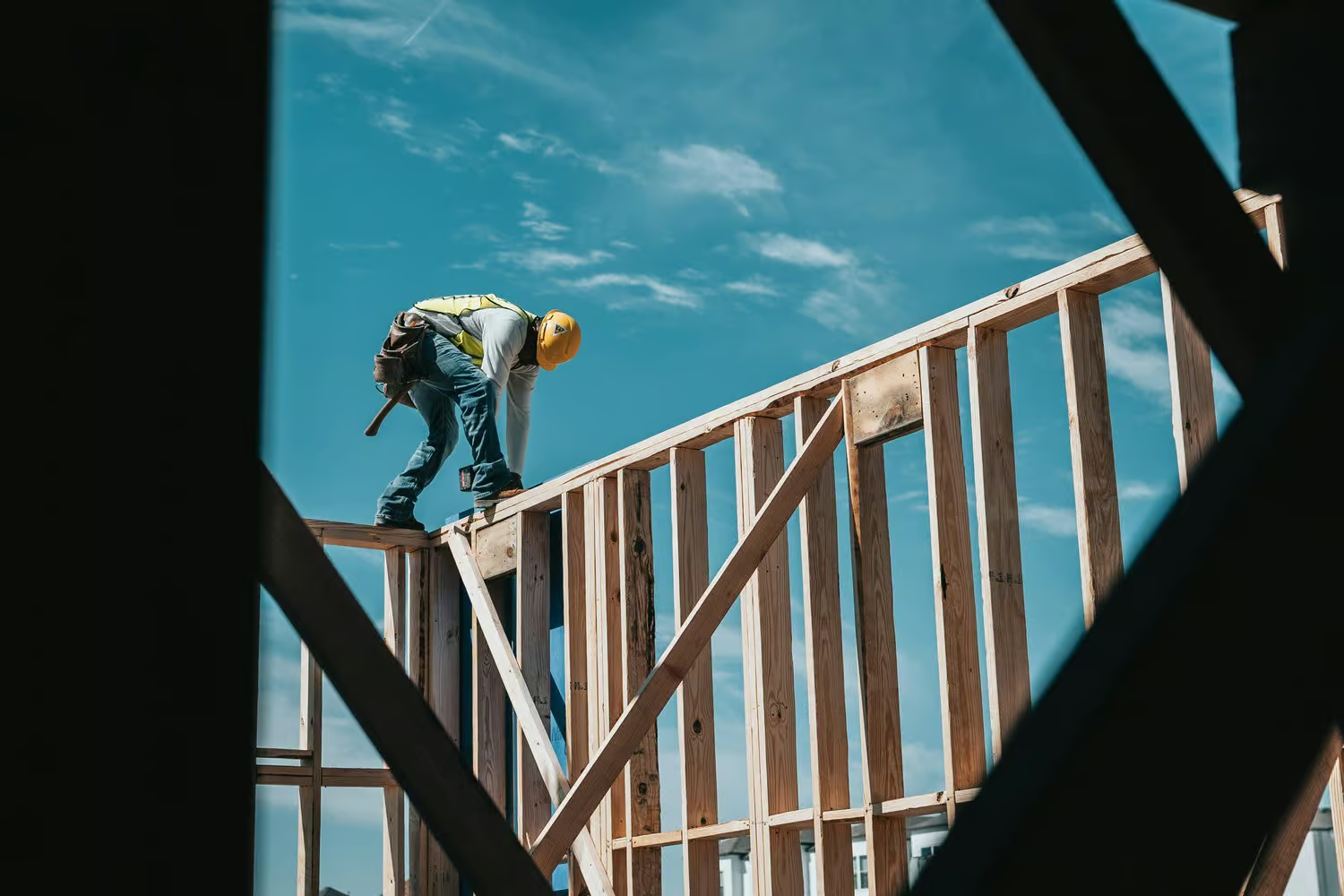
Building a home in Seattle is possible but rarely cheap. The real cost is often higher than online averages suggest. Between land prices, permitting complexity, labor demand, and climate-related building requirements, Seattle sits firmly in the high-cost tier nationally. Our guide breaks down realistic 2026 numbers, hidden costs many people miss, and decision frameworks that help you decide whether building is actually the smartest move financially.
TL;DR: Building a house in Seattle in 2026 typically costs $200–$425 per square foot, with total budgets ranging from $300K for small homes to $1.5M+ for large custom builds. Costs include land, design, materials, labor, permits, and hidden fees like site prep and financing. Location, home size, materials, and labor availability are the biggest cost drivers. Planning ahead, budgeting a 10–20% contingency, and consulting local experts can save money and prevent delays. Selling your current home to fund a new build is also an option in Seattle’s competitive market.
In 2026, building a home in Seattle typically ranges between $200 and $425 per square foot depending on design complexity, location, and materials. High-end finishes or custom architectural designs push the upper range, while smaller infill or ADU (accessory dwelling unit) projects tend toward the lower end. For context, the national average build cost is roughly $195 per sq ft including contractor fees.
For perspective:
Most Seattle builds fall between $400,000 and $1.2 million for standard single-family homes. Homes above 3,000 sq ft or those in desirable urban neighborhoods like Queen Anne or Capitol Hill often exceed $1.5 million. Costs are heavily influenced by site-specific conditions, including lot size, slope, and proximity to utilities.
Seattle’s construction costs are notably higher than Washington’s average. While a home in Spokane or Yakima might cost $180–$250 per square foot, Seattle and Eastside markets command a premium due to land scarcity, labor demand, and regulatory requirements. If you’re considering multiple locations in Washington, it’s critical to factor in these regional differences.
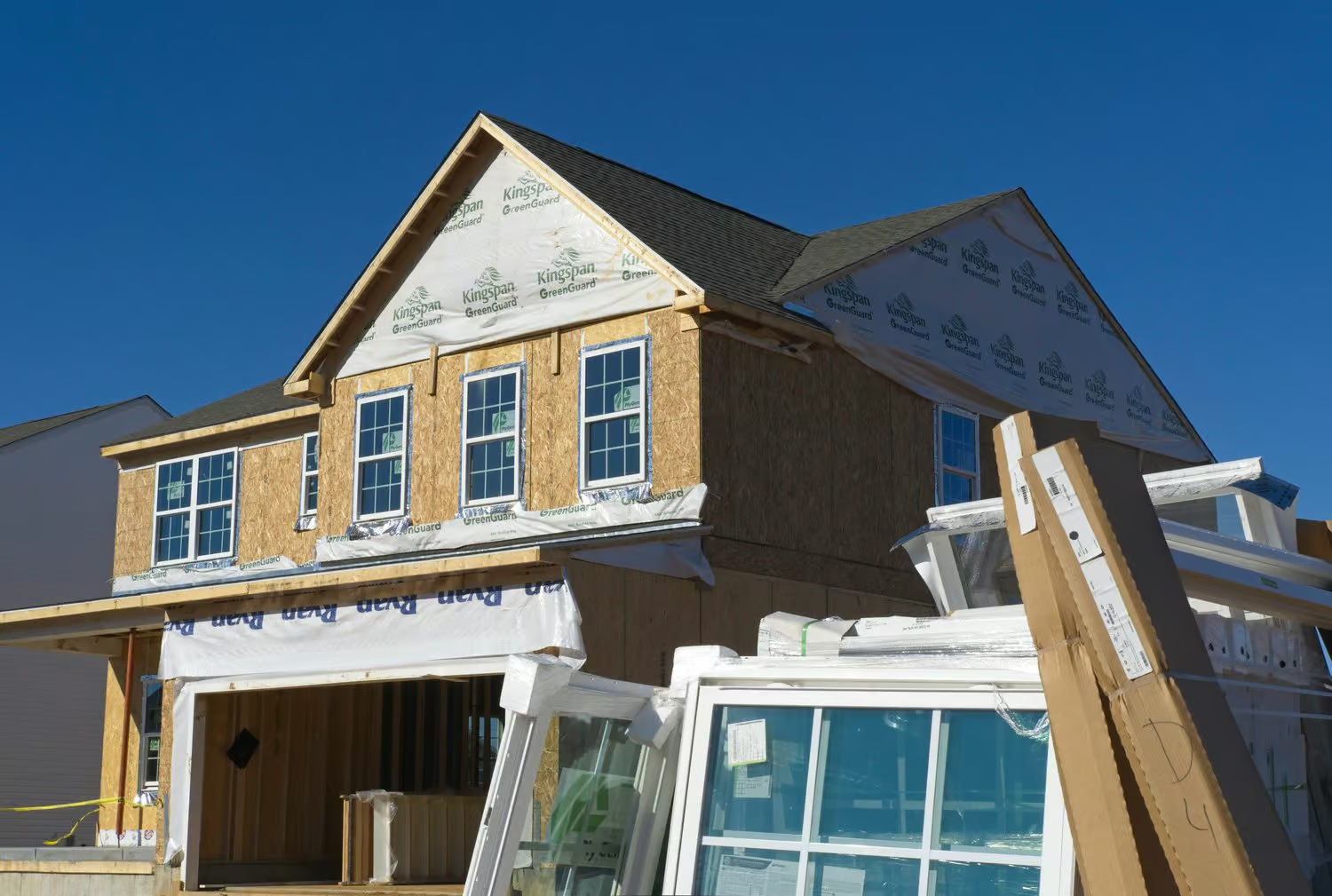
Understanding the breakdown of costs helps homeowners plan and avoid surprises.
Land in Seattle is expensive. Even small urban lots can exceed $300,000, depending on the neighborhood. Beyond the purchase, site prep including grading, excavation, drainage, and foundation work typically adds $20K–$75K or more. Challenging topography or older lots may require retaining walls or soil remediation, which can significantly raise costs.
Custom design services range from $50–$150 per hour. Standard architectural plans for a mid-sized home usually total $15K–$50K, while engineering fees (structural, mechanical, and civil) add another $5K–$15K. Investing in experienced Seattle-based designers ensures compliance with city codes and local environmental considerations, potentially saving money on revisions or code violations.
Material costs fluctuate rapidly. In 2026, homeowners can expect:
Supply chain delays can temporarily raise costs, so ordering early and locking in prices is crucial.
Labor is one of the largest components of a home build. Seattle’s tight labor market drives wages higher than the national average:
Experienced local builders can navigate permitting and inspections efficiently, reducing costly delays.
Connecting your home to water, sewer, and electrical lines may cost $10K–$40K, depending on proximity and existing infrastructure. Seattle-specific environmental regulations can also require stormwater management, landscaping buffers, or green building compliance.
Finishes make a home yours, but they come at a premium. Flooring, cabinetry, countertops, and fixtures can add $50–$150 per square foot. While budgeting for high-quality finishes may seem steep, careful planning ensures durability and long-term resale value.
Even well-planned budgets can miss these often-overlooked items:
Building permits, city impact fees, and inspection costs vary by neighborhood. On average, Seattle homeowners spend $7K–$15K for standard permits, but more complex projects or ADUs can exceed $20K.
Soil remediation, tree preservation, or addressing slope stability can add $5K–$50K+. These conditions are especially relevant for homes in hilly neighborhoods like Magnolia or West Seattle.
If your project uses a construction loan, expect interest and loan fees. Carrying costs, including insurance, taxes, and utilities for vacant lots, can add 5–10% of the total project budget.
Unplanned changes from material substitutions to design revisions can add 10–20% to the total cost. Working with a builder who clearly outlines contingencies can help mitigate these overruns.
Neighborhood choice heavily impacts price. Urban core lots are pricier but offer access to transit, amenities, and higher resale potential. Outlying areas can save money but may increase utility connection or commuting costs.
Larger homes or open floor plans with custom features drive up both material and labor costs. Multi-story homes require additional engineering and safety considerations.
High-demand materials such as hardwood flooring, imported tiles, and specialty appliances can fluctuate in price quickly. Locking in costs early can prevent surprises.
Labor shortages remain a concern. Booking reputable contractors months in advance ensures better pricing and reduces construction delays.
Seattle’s zoning codes, environmental regulations, and building permits influence costs. Understanding these early prevents expensive redesigns.
Building in the rainy season can slow progress, leading to increased labor and site costs. Planning for weather delays is essential in a city like Seattle.
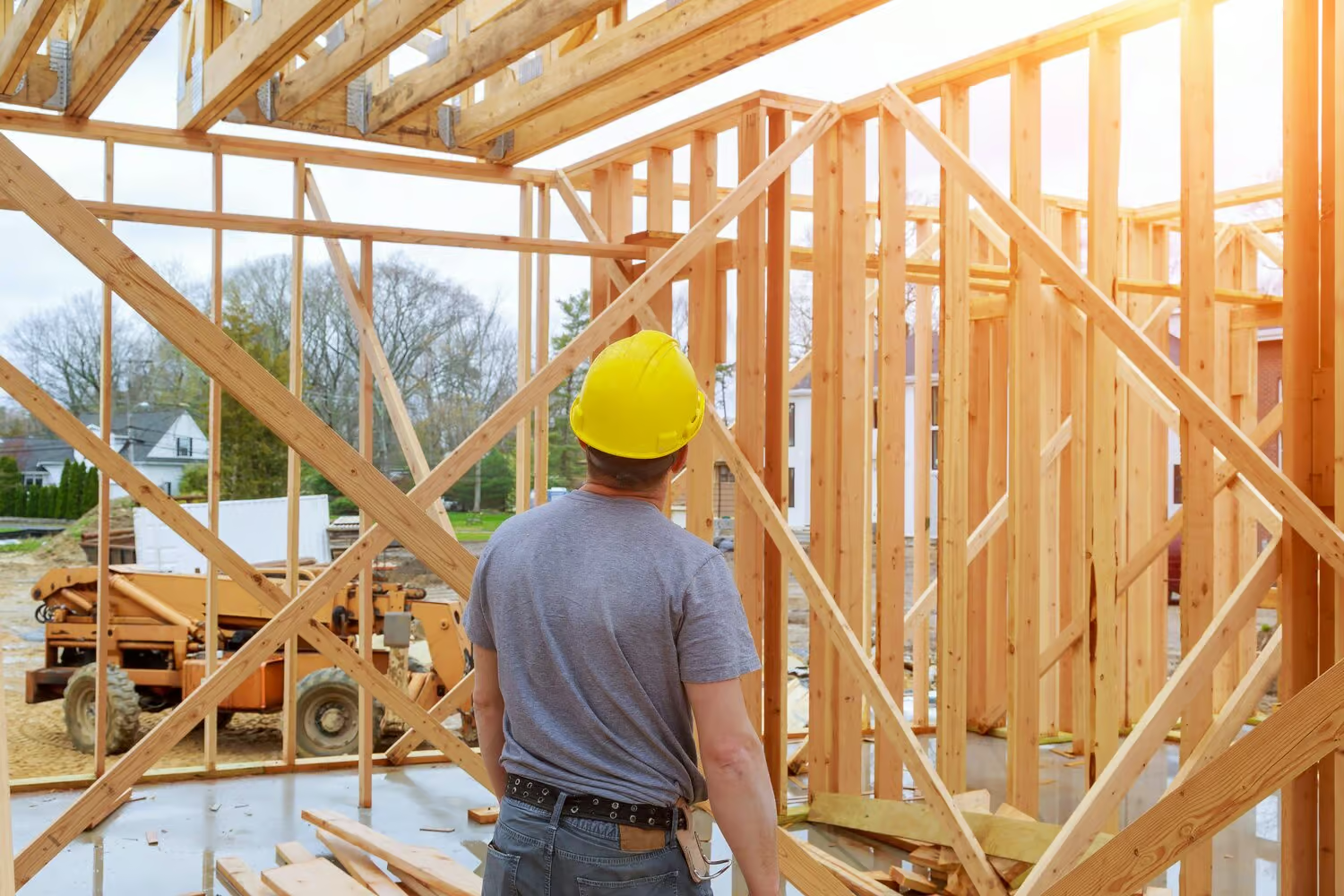
Fully customized homes offer unique designs but come at a premium. Expect $350–$450 per square foot for high-end custom builds.
Pre-designed plans modified for your lot reduce design costs while maintaining some personalization. Costs typically range $250–$350 per square foot.
These homes maximize smaller lots in the city core. Construction can cost $275–$425 per square foot, reflecting tighter lot access and design complexity.
Accessory Dwelling Units (ADUs) are popular for rental income or multigenerational living. Typical Seattle ADU builds run $150–$300 per square foot, including permits and utilities.
Adding detached structures ranges $50–$250 per square foot depending on finishes and utility connections.
Urban lots in Ballard, Capitol Hill, or Queen Anne come with high land premiums, often $350K+ for a standard lot, pushing total build costs higher.
Eastside cities have robust markets and higher average wages, with similar per-square-foot costs to Seattle proper, though land options may be larger.
Land and labor costs are more moderate here, often 10–20% lower than Seattle, making it attractive for larger builds or first-time developers.
Outlying areas offer cost savings on land and fewer city fees, but additional infrastructure or commuting costs may offset savings.
Planning including site evaluation, design, and financing takes 2–4 months. Early engagement with contractors and city planners can shorten this phase.
Permit approval averages 6–12 weeks, though complex builds or ADUs may take longer.
A standard 2,000 sq ft home typically takes 8–12 months from ground-breaking to completion. Custom homes can exceed a year.
Weather, inspection setbacks, and supply chain disruptions are the primary causes. Contingency planning and flexible timelines mitigate these risks.
Building can be cost-effective if you have a lot or want a fully customized home with modern energy efficiencies. It’s also attractive if you’re aiming for long-term appreciation.
Purchasing avoids construction risk, timeline uncertainty, and potential cost overruns. It’s typically more predictable in tight markets.
For a 2,000 sq ft home:
Building allows customization but requires planning, financing, and risk tolerance.
Short-term loans cover building costs and convert to permanent mortgages post-construction. Interest-only payments are common during construction.
Using existing equity in your property can reduce interest costs but limits flexibility.
Experienced homeowners acting as general contractors may access specialized financing, though banks may require proof of experience.
Plan for 10–20% contingency and lock in pricing with subcontractors early. Factor in both soft costs and potential delays.
Experience with city codes, references, and insurance coverage are crucial. Local builders navigate inspection and permitting processes efficiently.
Questions to Ask Before Signing a Contract
Unlicensed contractors, vague estimates, or high upfront payments should raise concerns.
Simpler layouts, fewer corners, and standardized window sizes lower both material and labor costs.
Invest in durable finishes and efficient systems, but avoid overspending on trend-based, high-maintenance materials.
Winter or early spring builds may reduce labor costs, though weather risk must be managed.
Urban lots in Seattle can be $300K–$600K, a significant portion of the total budget.
Yes, but only with construction experience. Savings are possible, but mistakes can be costly.
Building, electrical, plumbing, mechanical, and environmental permits are all required. ADUs may need additional approvals.
10–20% of your total budget is recommended for unforeseen costs.
Typically 8–12 months, depending on size, type, and site conditions.
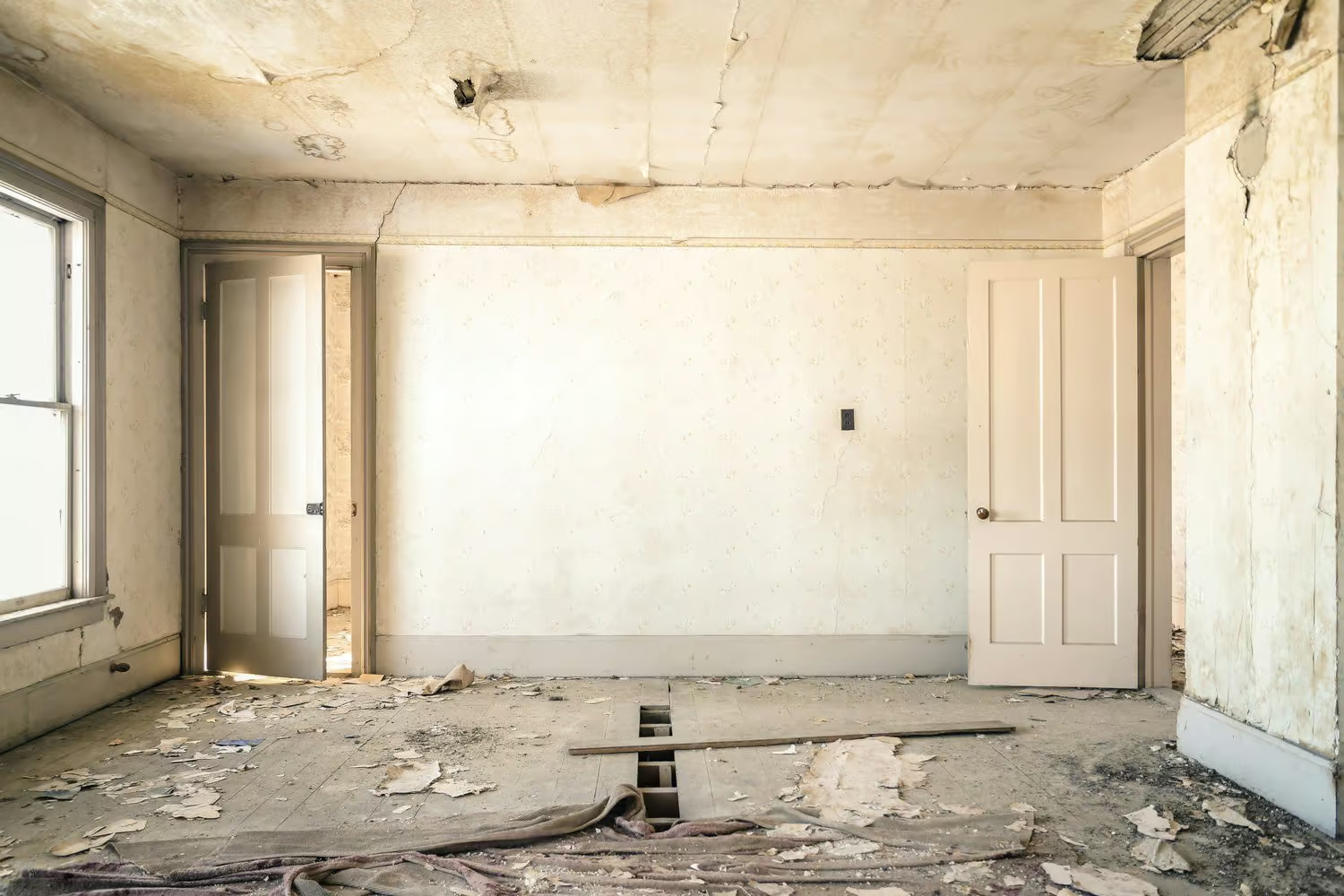
If your current home needs significant updates or modernization, building new may offer better ROI than renovating.
Nine8 Redevelopment offers cash offers for homes in Seattle, letting homeowners quickly liquidate property without repairs. This can free funds for a new build quickly.
Compare renovation, rebuild, and sell-as-is scenarios to determine the most cost-effective path.
Before starting a build, consult a local expert. Companies like Nine8 Redevelopment can provide guidance on selling your current property, cash offers, and planning new construction. Local knowledge helps avoid unexpected costs and timelines.
We’re here to walk you through each and every step of the process.
Request an Offer Buying and Selling